One of the most preferred methods in aesthetic dentistry, laminate veneers provide an aesthetic smile while maximally preserving natural tooth tissue. Offering successful results in eliminating color defects, minor chips, shape irregularities, and gaps between teeth, particularly in front teeth, this procedure has become very popular in recent years thanks to its natural appearance. However, many people who are considering laminate veneers or have already undergone this treatment share the same question: "Do laminate veneers change color over time?"
The short answer is that porcelain laminate veneers made with high-quality materials are highly resistant to color change compared to natural teeth. However, this situation can vary depending on the type of material used, oral care habits, and lifestyle. Properly applied laminate veneers with regular maintenance can preserve their initial aesthetic appearance for many years.
In this article, we cover in detail why laminate veneers do not change color, in which situations discoloration might occur, and what precautions to take to maintain their aesthetic appearance for years.
What Is a Laminate Veneer?
Laminate veneers are ultra-thin porcelain shell restorations bonded to the front surfaces of teeth. Prepared at a thickness of approximately 0.3 to 0.7 millimeters, these veneers aim to create an aesthetic smile without altering the natural structure of the teeth.
During treatment, minimal enamel reduction is often performed on the tooth surface, or in some cases, the application can be completed without any tooth preparation (no-prep). Thanks to this feature, laminate veneers rank among the aesthetic treatments that preserve natural tooth tissue the most.
Because porcelain materials with high translucency are used, the result looks remarkably natural and is rarely distinguishable from natural teeth.
Do Laminate Veneers Really Change Color?
Laminate veneers produced using high-quality porcelain are exceptionally resistant to stains caused by tea, coffee, smoking, and colored beverages. This is because the porcelain surface has a smooth, non-porous structure and holds far fewer pigments compared to natural tooth enamel.
Therefore, noticeable discoloration is not expected in properly applied porcelain laminate veneers.
However, there is an important distinction to keep in mind. Even if the laminate veneer itself does not change color, adjacent natural teeth can stain over time. In this case, a shade difference between the veneer and natural teeth may develop, affecting overall smile aesthetics.
Why Might Discoloration Occur in Laminate Veneers?
Although porcelain surfaces are stain-resistant, changes in aesthetic appearance can occur in certain circumstances.
The primary reasons for this include:
- Use of low-quality porcelain materials
- Material aging in composite laminate applications
- Plaque and tartar buildup around veneer margins
- Inadequate oral hygiene
- Discoloration of bonding adhesive materials over time
- Neglecting regular dental check-ups
Most of these issues can be prevented through regular maintenance and professional dental check-ups.
Do Tea and Coffee Affect Laminate Veneers?
Tea and coffee consumption can cause discoloration on natural teeth over time. However, high-quality porcelain laminate veneers are largely unaffected by such pigments.
Nevertheless, heavy consumption of tea, coffee, or smoking can eventually lead to superficial staining at the junction lines (margins) of the veneers. These stains can usually be easily removed during professional dental cleaning.
Paying attention to oral hygiene after treatment and scheduling regular dental care significantly contributes to maintaining the aesthetic result.
Is There a Color Difference Between Composite Laminates and Porcelain Laminates?
One of the key differences between these two applications is color stability.
While porcelain laminate veneers preserve their shade for many years, composite laminates can be more easily affected over time by tea, coffee, smoking, and pigmented foods.
For this reason, porcelain laminate veneers are mostly preferred for patients seeking long-term aesthetic durability.
Can the Color of Laminate Veneers Be Bleached Later?
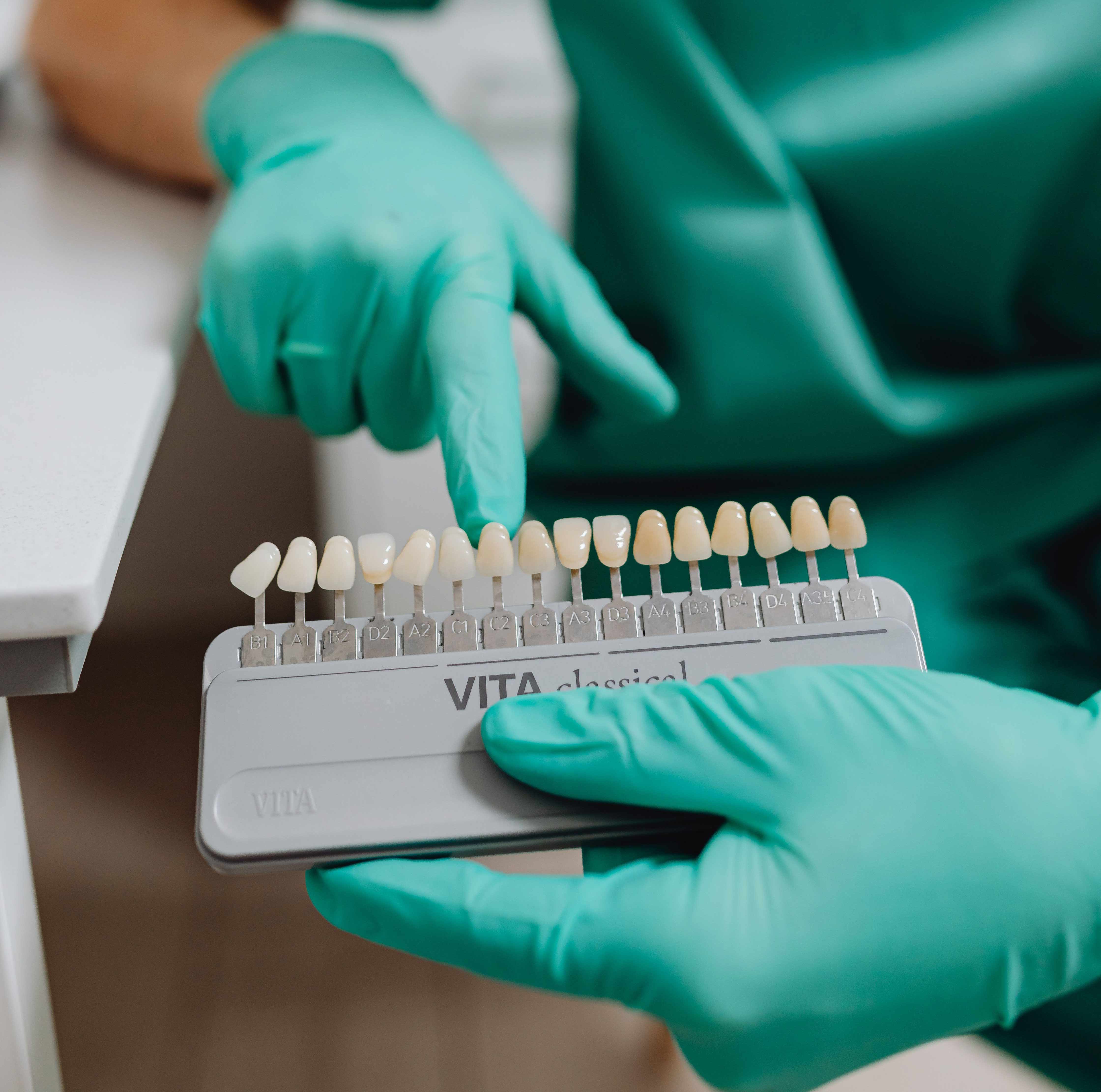
Teeth whitening treatments applied to natural teeth do not alter the color of porcelain laminate veneers. Bleaching agents work exclusively on natural tooth structures.
If your aesthetic expectations change over the years or if a lighter shade is desired, the existing laminate veneers may need to be replaced.
Therefore, tooth shade selection before treatment must be carefully planned, considering the patient's long-term expectations.
What Should Be Done to Preserve the Initial Appearance of Laminate Veneers?
To ensure laminate veneers maintain their aesthetic appearance for long years, regular oral care must not be neglected.
Key practices to keep in mind include:
- Teeth should be brushed at least twice a day.
- Dental floss or interdental brushes must be used.
- Dental check-ups should be performed every six months.
- Professional dental cleanings should be scheduled regularly.
- Cracking hard objects with your teeth should be avoided.
- If teeth grinding (bruxism) is present, a protective night guard should be worn.
- Smoking should be limited as much as possible.
These habits help keep both your laminate veneers and natural teeth healthy.
What Is the Lifespan of Laminate Veneers?
Properly planned porcelain laminate veneers crafted from quality materials are long-lasting aesthetic restorations.
With consistent oral hygiene and routine dental check-ups, porcelain laminate veneers can maintain their initial aesthetic appearance for 10 to 20 years, and even longer in some patients.
The dentist's expertise, the quality of materials used, and patient care habits play a decisive role in the longevity of the treatment.
Conclusion and Final Thoughts
Laminate veneers represent one of the most successful and natural-looking procedures in aesthetic dentistry. Manufactured with high-quality porcelain materials, laminate veneers are far more resistant to color changes than natural teeth and can maintain their beauty for many years with proper care. However, to protect the health of surrounding natural teeth and prevent potential shade discrepancies, daily oral hygiene, professional cleanings, and routine dental visits should not be neglected. A laminate veneer treatment planned and executed by an expert dentist offers a reliable, aesthetic solution for anyone seeking a natural and long-lasting smile.