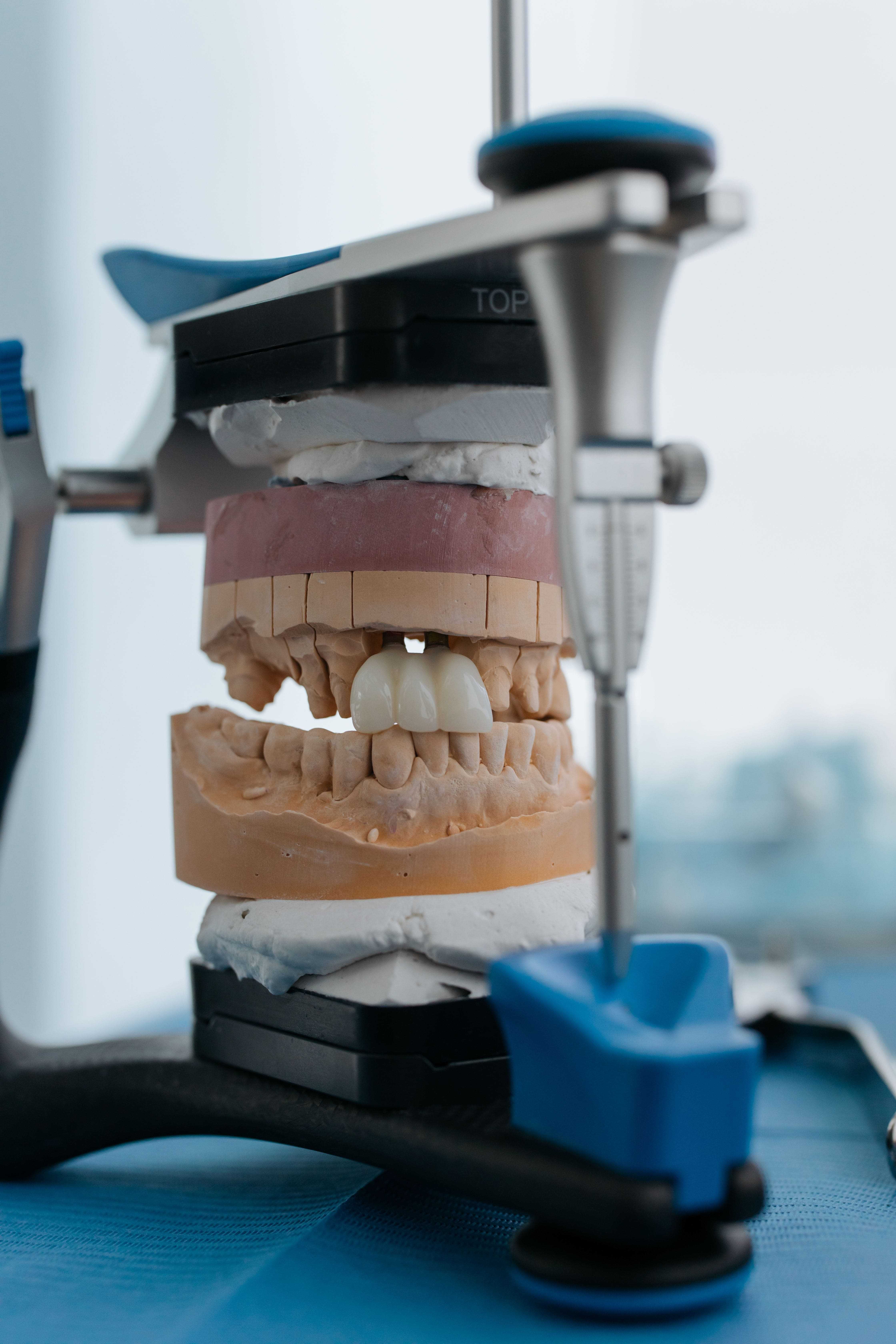
The answer to this question is actually quite clear. The porcelain crown itself does not decay, because porcelain is not a natural tooth tissue in which bacteria can cause decay. However, the natural tooth structure beneath the crown can decay if oral hygiene is not maintained properly. Therefore, having a porcelain crown does not mean you can neglect your dental care. Regular oral hygiene and dental check-ups are essential for the crown to remain healthy and functional for many years.
Today's high-quality porcelain materials offer highly successful results in both durability and aesthetics. Properly planned porcelain crowns, applied by an experienced dentist, can be used for many years without problems when maintained regularly.
Does a Porcelain Crown Decay?
Porcelain crowns are made entirely of ceramic-based materials, making them resistant to decay. In other words, decay cannot form on the porcelain surface the way it does on natural teeth.
However, the natural tooth beneath the crown remains alive. If a gap forms between the crown and the tooth over time, or if oral hygiene is not adequately maintained, bacteria can settle in these areas. In this case, it is not the porcelain but the natural tooth beneath the crown that begins to decay.
For this reason, in many cases described as "the porcelain crown is decaying," the actual problem is not the crown itself but the decay that has developed in the tooth tissue underneath it.
Why Does Decay Form Under a Crown?
The most important cause of decay that may develop after porcelain crown treatment is neglecting oral hygiene. Bacterial plaque that builds up on the tooth surface can gradually settle at the margins of the crown and affect the natural tooth structure.
The main factors that can cause decay under a crown include:
- Not brushing your teeth regularly
- Neglecting the use of dental floss
- Allowing tartar to build up
- Deterioration of the crown's marginal fit over time
- Poor-quality or improperly applied crowns
- Skipping regular dental check-ups
- Excessive consumption of sugary and acidic foods
Most of these risks can be easily prevented through proper oral care and regular check-ups.
How Long Do Porcelain Crowns Last?
The lifespan of porcelain crowns can vary depending on the quality of the material used, the dentist's skill in application, and the patient's oral care habits.
In general, high-quality porcelain crowns can be used without problems for 10 to 15 years, and even longer with proper care. Regular check-ups allow any minor issues to be detected early, extending the lifespan of the crown.
Just as important as the durability of the crown is the health of the natural tooth beneath it, which plays a major role in the long-term success of the treatment.
How Can You Tell If There Is Decay Under a Crown?
Decay under a crown does not always show symptoms in its early stages. This is why regular dental check-ups are so important.
Symptoms that may appear over time include:
- Sensitivity to hot and cold
- Pain while chewing
- Looseness of the crown
- Bad breath
- Gum inflammation
- Discoloration around the crown
If any of these symptoms occur, you should see a dentist without delay.
Can Decay Be Treated Without Removing the Crown?
The treatment applied depends on the size of the decay beneath the crown.
In some cases involving surface-level problems, the crown can be preserved. However, if the decay has spread beneath the crown, the porcelain crown usually needs to be removed. After the decay is cleaned, the tooth is reassessed and a new crown is prepared if necessary.
When decay is diagnosed early, the treatment process is easier and more of the natural tooth structure is preserved.
What Should Be Done to Prevent Porcelain Crowns From Decaying?
For porcelain crowns to remain healthy for many years, daily oral care must be maintained regularly. It is especially important to keep the areas where the crown meets the gum clean.
The main points to pay attention to are:
- Brush your teeth at least twice a day.
- Use dental floss or an interdental brush.
- Limit the consumption of sugary foods.
- Visit the dentist for a check-up every six months.
- Do not neglect tartar removal.
- Avoid the habit of biting hard objects with your teeth.
- Use a protective night guard if you have a teeth-grinding problem.
These habits contribute not only to the health of the crowns but to the health of the entire mouth and teeth.
Which Is More Durable: Porcelain Crown or Zirconium Crown?
Porcelain and zirconium crowns are among the most successful aesthetic treatment options available today. Both materials provide long-lasting results when applied for the right indication.
Zirconium crowns stand out in terms of durability, while porcelain crowns can achieve highly successful results in the front teeth, where aesthetic expectations are higher, thanks to their natural light transmission.
The choice of crown type should be determined based on the patient's tooth structure, chewing force, aesthetic expectations, and the dentist's clinical evaluation.
Conclusion and Assessment
Porcelain crowns themselves do not decay. However, the natural tooth beneath the crown can decay due to neglected oral hygiene or incompatibilities that may develop at the crown margins over time. Therefore, having a porcelain crown is not a reason to stop regular oral care. Daily brushing, the use of dental floss, and regular dental check-ups make it possible for both the crowns and the natural teeth to remain healthy for many years. Porcelain crowns planned by an experienced dentist and applied correctly can preserve aesthetic appearance and comfort of use for a long time, contributing significantly to quality of life.